Catalyst

Build the agentic firm.

September 9–10, 2026 Atlanta, Georgia · USA
Catalyst conference
About Catalyst

Lead the change.

The AI transformation inside audit and advisory is happening now. The only question is whether your firm leads it or it leads you. Catalyst is where the partners who have chosen their answer come together. Join us to ensure you're part of the conversation.

Why attend

The frontier of the profession.

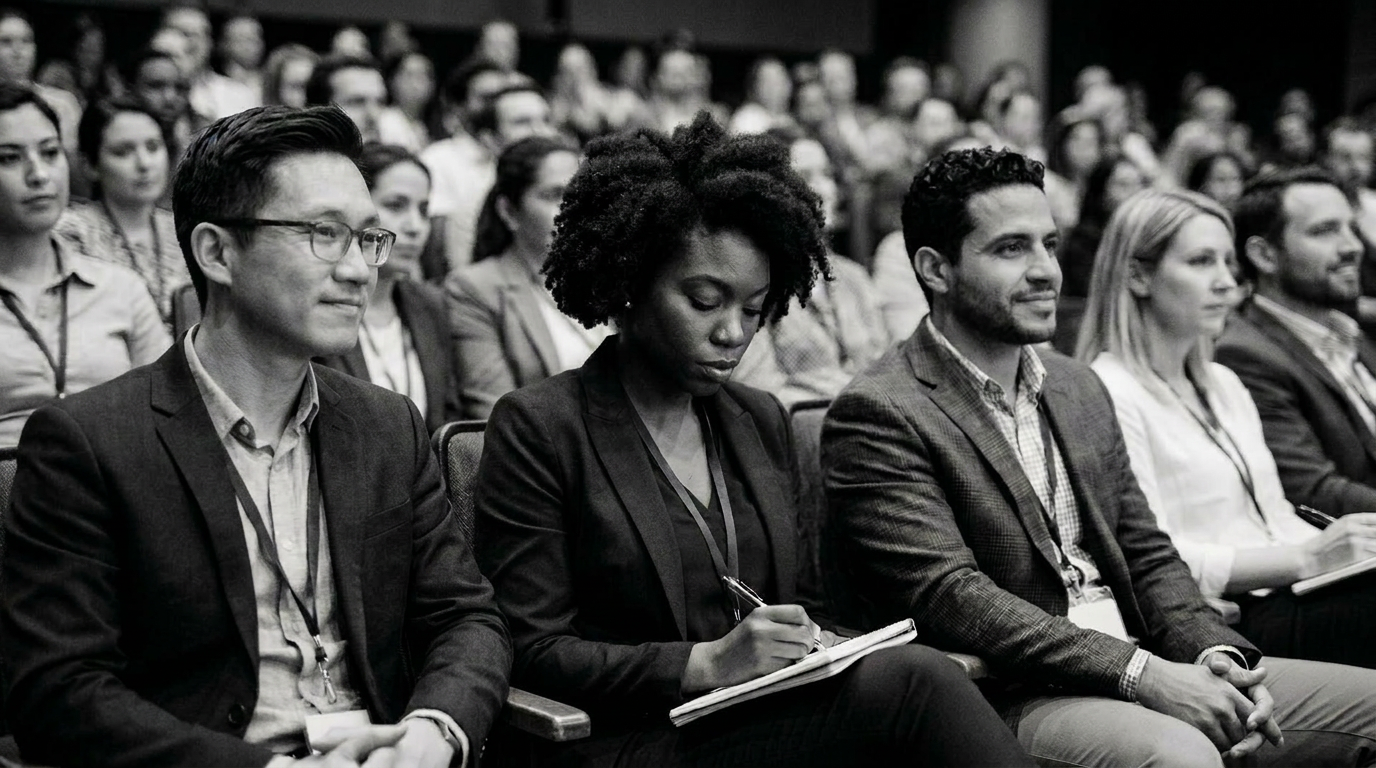
Catalyst attendees
The leading firms, in one room

Hear firsthand from the firms and leaders building the AI-native firm, where practitioners lead and agents execute. Explore what they've built, what they've learned, and where they're going next.

Pioneering playbooks

Gain practical knowledge on how to pull ahead by augmenting your people with an agent workforce. Unlock more capacity, more engagements, deeper client relationships, and a stronger competitive position.

Conversations you can't have anywhere else

Small-group sessions built around the real questions: How do you maintain quality when AI is doing the work? What happens to your team? What do clients need to know? The conversations that matter most, with the people who get it.

Speakers

Live on stage.

Every speaker at Catalyst is a practitioner. Partners and practice leaders who have already made the decisions this room is wrestling with, and know what comes next. They're building the future today and sharing it here.


Jin Chang
Jin Chang
CEO & Co-Founder Fieldguide
Dhruv Dhingra
Dhruv Dhingra
VP, Product Fieldguide
Tara Edwards
Tara Edwards
Chief Transformation Officer Cherry Bekaert
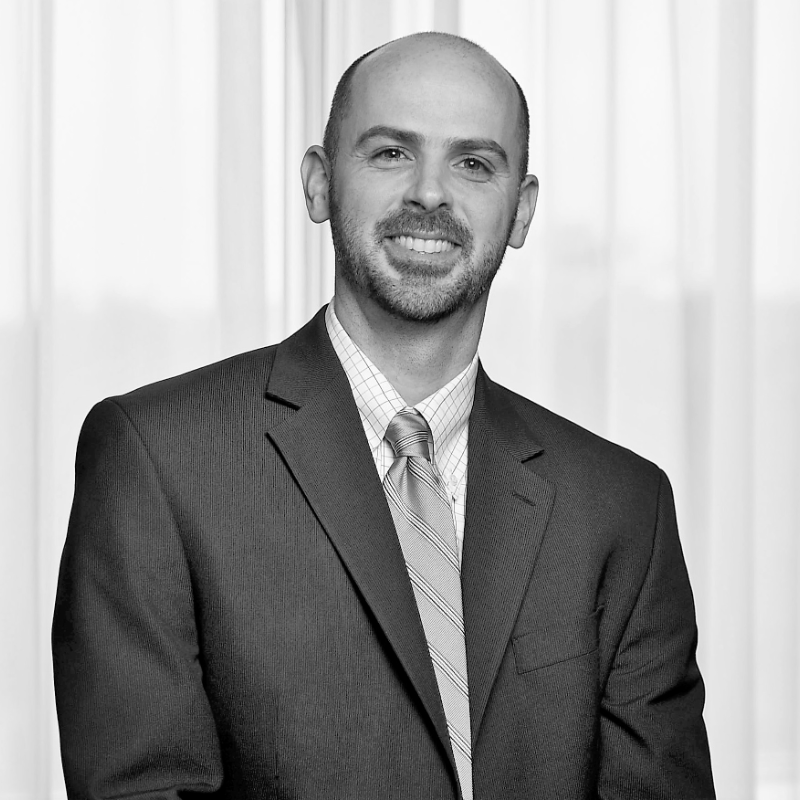
andy-flach-bw
Andy Flach
Director - Internal Audit Protiviti
Kasey George
Kasey George
Partner Cherry Bekaert
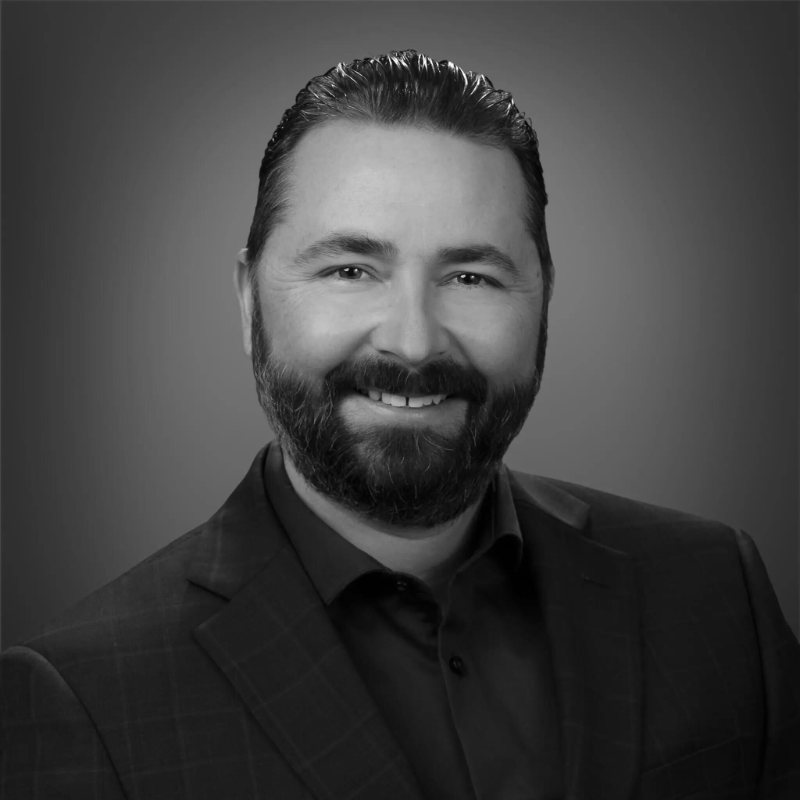
Bryan Gruber
Bryan Gruber
Managing Partner LSL CPAs
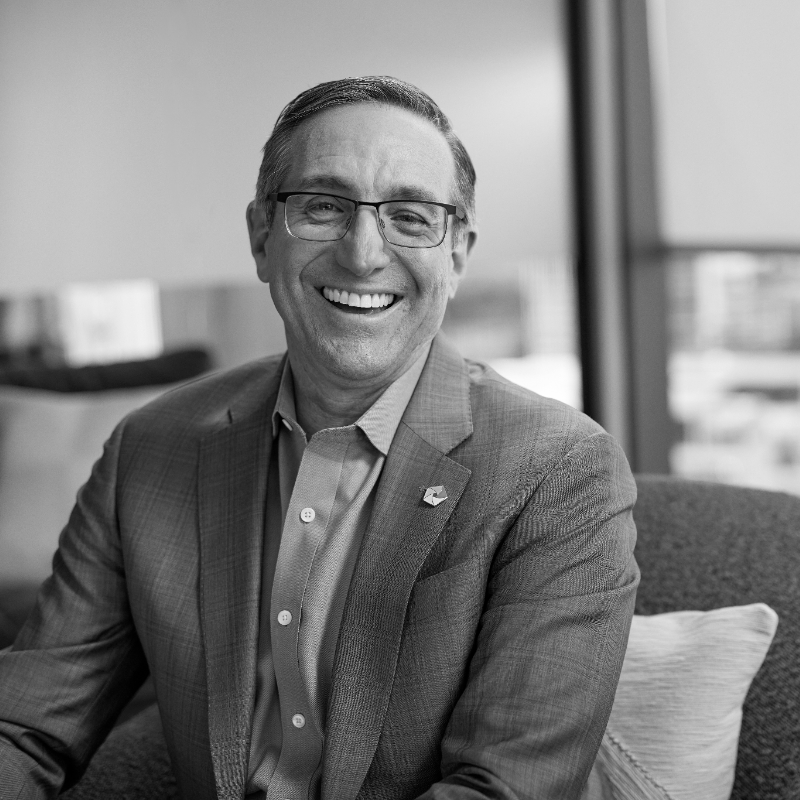
Greg Haberer
Greg Haberer
Partner Grant Thornton
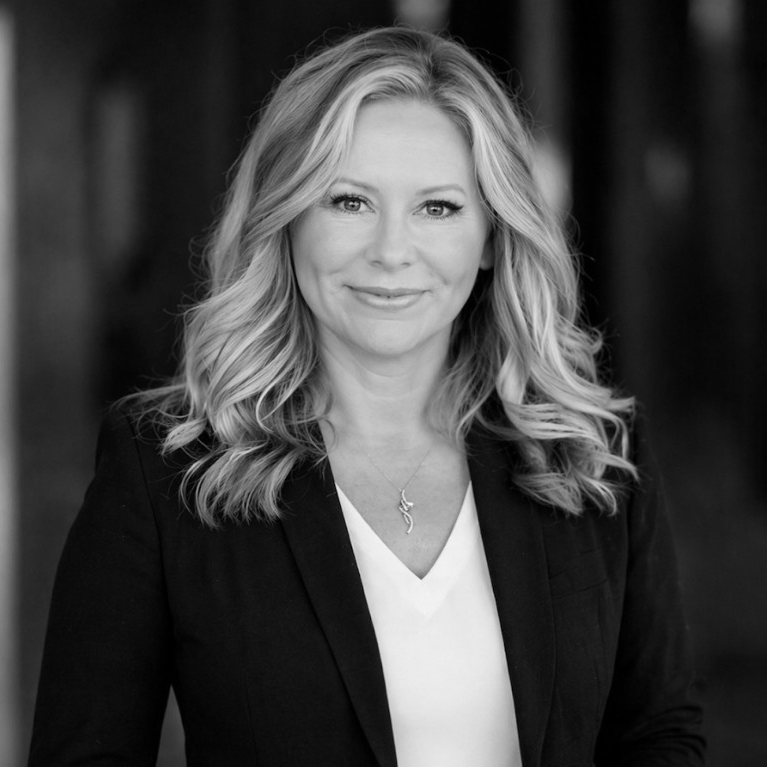
Kacee Johnson
Kacee Johnson
Co-Founder AI Native Accounting Foundation
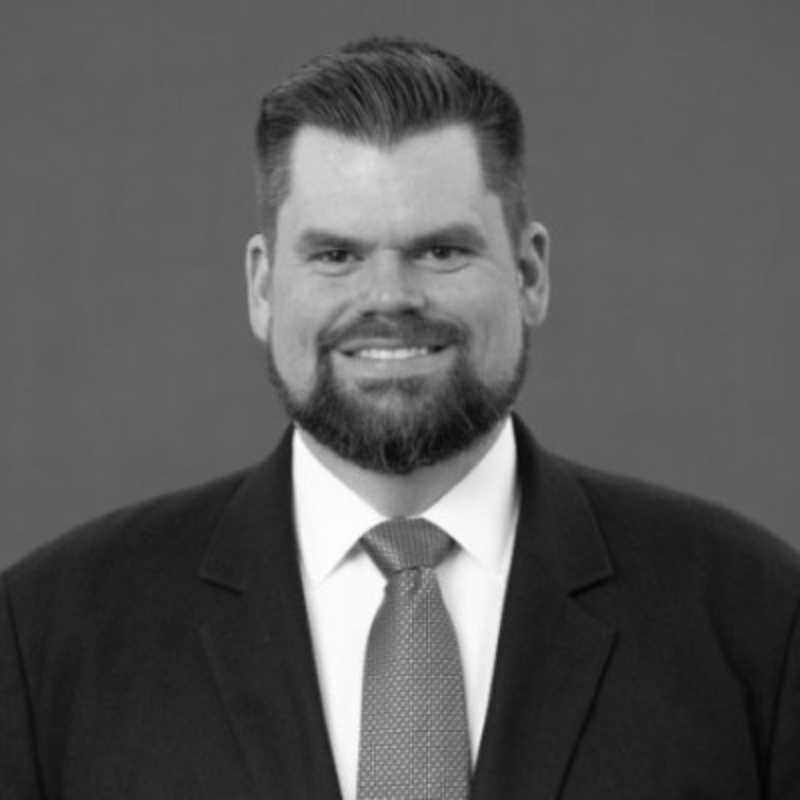
charles-king-bw
Charles King
Partner KPMG US
Chris Kradjan
Chris Kradjan
Principal Baker Tilly
Jonathan Kraftchick
Jonathan Kraftchick
Partner - Innovation Cherry Bekaert
Alan Langelli
Alan Langelli
Midwest Regional Leader & Audit Partner Aprio
danny-manimbo-bw
Danny Manimbo
Principal Schellman
mary-beth-bw
Mary Beth Marchione
Partner Wipfli
Megan McFarland
Megan McFarland
Managing Principal, Assurance & Risk Advisory Baker Tilly US
Brian Miller
Brian Miller
Assurance Managing Principal, Digital Transformation & Innovation BDO USA
Mindy Milliet
Mindy Milliet
Partner Frazier & Deeter
Mike Sawyer
Mike Sawyer
Audit Partner & US Audit Business Leader for AI KPMG US
Chris Szymansky
Chris Szymansky
Chief Technology Officer Fieldguide
Agenda

The event, mapped.

Day 1 — September 9

Catalyst opens with an evening crafted for connection with the leaders defining the next era of the profession. Join us on Magnolia Lawn at the Signia for live music, food, and drinks worth lingering over.

Location
MAGNOLIA LAWN

Day 2 — September 10

This is where Catalyst begins. New findings from The AI Native Firm Advantage — Fieldguide's independent research across 400 financial auditing and advisory leaders — show how large the performance gap has grown between active AI deployers and everyone else across profitability, capacity, talent retention, and client outcomes. The data also grounds the room in where the profession actually sits on the AI Maturity Framework, and how much closer most firms are to the next level than they realize. The hour closes with a major platform announcement, with AI agents live on screen showing what comes next. Everything at Catalyst builds from here.

Learning Objectives
  1. Identify the performance gaps between active AI deployers and casual users documented in The AI-Native Firm Advantage research, including profitability, capacity, talent retention, and client outcomes.
  2. Describe the six levels of the AI Maturity Framework and where the profession clusters today.
  3. Recognize how agentic AI capabilities demonstrated in the platform roadmap change engagement delivery at higher levels of AI maturity.
Speakers
Jin Chang
CEO & Co-Founder, Fieldguide
Chris Szymansky
Chief Technology Officer, Fieldguide
Dhruv Dhingra
VP, Product, Fieldguide
Location
Dream Ballroom 1&2
CPE Credits1.0
Field of StudyBusiness Management
LevelBasic, Non-Technical

Real firms. Real decisions. Real results. Firm leaders spanning audit and advisory at different stages of the AI Maturity Framework walk through the complete arc: where they started, what was hard, what changed, and the numbers that surprised them.

Learning Objectives
  1. Compare the AI adoption journeys of audit and advisory firms at different levels of the AI Maturity Framework, including the decisions that moved each firm from pilot to commitment.
  2. Identify the organizational, cultural, and technical obstacles firms encountered during AI transformation and the approaches used to overcome them.
  3. Recognize the metrics and results firm leaders use to evaluate whether an AI transformation is working.
Speakers
Jonathan Kraftchick
Partner - Innovation, Cherry Bekaert
Megan McFarland
Managing Principal, Assurance & Risk Advisory, Baker Tilly US
Mike Sawyer
Audit Partner & US Audit Business Leader for AI, KPMG US
Brent Kasper
VP, Sales, Fieldguide
Location
Dream Ballroom 1&2

PCAOB inspection results show 39% of audits reviewed in 2024 contained deficiencies. The session reframes the quality conversation: away from how to get humans to perform better under pressure, toward how to engineer consistency into the workflow itself.

Learning Objectives
  1. Explain why persistent audit deficiency rates reflect a systemic architectural problem rather than insufficient human effort or training.
  2. Identify the workflow changes — including full-population testing and real-time traceability — that engineering consistency into engagements requires.
  3. Analyze the accuracy and throughput implications of AI-agent-executed testing procedures relative to manual approaches.
Speakers
Brian Miller
Assurance Managing Principal, Digital Transformation & Innovation, BDO USA
Paul Vetrone
Strategic Account Partner, Fieldguide
Location
Dream Ballroom 3
CPE Credits1.0
Field of StudyAuditing
LevelBasic, Technical

Mindy Milliet, Partner at Frazier & Deeter, shares how embedding AI agents into live PCI, SOC, and HITRUST engagements freed her team from manual bottlenecks and unlocked capacity for higher-value work, and what it takes to build a true Human + AI operating model in audit and advisory.

Learning Objectives
  1. Describe how AI agents were deployed across live PCI, SOC, and HITRUST engagements, from pilot through firm-wide production.
  2. Identify the manual bottlenecks agentic AI removed and how recovered capacity was redeployed toward higher-value work.
  3. Recognize the workflow and team-design changes that distinguish a Human + AI operating model from adding a tool to an existing process.
Speakers
Mindy Milliet
Partner, Frazier & Deeter
Gina Baker
AI Transformation Lead, Fieldguide
Sidd Shende
Senior Product Manager, AI, Fieldguide
Location
Dream Ballroom 1&2
CPE Credits1.0
Field of StudyBusiness Management & Organization
LevelBasic, Non-Technical

Join Kacee Johnson, Co-Founder of the AI Native Accounting Foundation, Danny Manimbo, Principal at Schellman, and Jin Chang, CEO and Co-Founder of Fieldguide, for a live recording of the AI Native Accounting Foundation Podcast — a candid conversation about what it actually means to run an AI-native practice, from the economics and pricing of engagements to the way client relationships and talent models are changing.

Learning Objectives
  1. Recognize how AI-native delivery is reshaping firm business models, including pricing, staffing, and engagement economics.
  2. Identify where leading firms are ahead of the market in rethinking how AI-driven value is captured and charged for.
  3. Describe practical first steps firm leaders can take to align their business model with an AI-native operating model.
Speakers
Kacee Johnson
Co-Founder, AI Native Accounting Foundation
Danny Manimbo
Principal, Schellman
Jin Chang
CEO & Co-Founder, Fieldguide
Location
Dream Ballroom 1&2

Most audit teams have added AI to their workflow. Almost none have redesigned their workflow around AI. The difference is the difference between a 10% efficiency gain and a 40% one.

Learning Objectives
  1. Distinguish between AI-assisted audit workflows and AI-native audit infrastructure and explain why the distinction determines the magnitude of efficiency gains.
  2. Identify the technology prerequisites that enable AI agents to operate reliably across the full engagement lifecycle.
  3. Apply a tech stack evaluation to identify integration gaps at their own firm and prioritize the first change required to move toward AI-native infrastructure.
Speakers
Tara Edwards
Chief Transformation Officer, Cherry Bekaert
Dhruv Dhingra
VP, Product, Fieldguide
Location
Dream Ballroom 3
CPE Credits1.0
Field of StudyAuditing
LevelBasic, Technical

Most low-quality SOC engagements don't blow up — they just quietly fail the user. With "fast and easy" providers pressuring margins and peer review tightening, quality and speed can feel like a forced choice. They aren't: when consistency is engineered into the engagement itself, AI raises the quality bar instead of threatening it. Attendees leave knowing which quality failures agents genuinely fix, which they can amplify, and what to change before their next SOC engagement.

Learning Objectives
  1. Identify where quality findings concentrate across the SOC engagement lifecycle — acceptance, planning judgment, scoping, CUEC alignment, evidence and IPE validation, and reporting.
  2. Describe which SOC quality failures agentic AI genuinely resolves and which it can amplify without appropriate guardrails and documentation.
  3. Recognize how an engineered, consistently documented workflow strengthens defensibility under peer review and enhanced oversight.
Speakers
Mary Beth Marchione
Partner, Wipfli
Alex DiMattia
Strategic Alliances Director, Fieldguide
Location
Dream Ballroom 1&2
CPE Credits1.0
Field of StudyAuditing
LevelBasic, Technical

Your clients are going to ask whether AI touched their work — and the firms that answer that question well are finding it lands better than they expected. This session covers the specific conversations audit and advisory partners are having with clients about AI-executed work: how to explain what agents actually do, how to address the accuracy and defensibility questions that naturally follow, and why the firms leading with transparency are turning client education into a competitive advantage.

Learning Objectives
  1. Identify the questions audit committees, CFOs, and general counsel raise about AI-executed work and the underlying concerns those questions reflect.
  2. Apply communication frameworks to explain full-population testing and agent-generated documentation to sophisticated clients in plain language.
  3. Describe how proactive transparency about AI methodology can function as a competitive differentiator in client relationships.
Speakers
Kasey George
Partner, Cherry Bekaert
Bryan Gruber
Managing Partner, LSL CPAs
John Coursen
Head of Audit, Fieldguide
Location
Dream Ballroom 3
CPE Credits1.0
Field of StudyAuditing
LevelBasic, Technical

Efficiency gains are the entry point of AI adoption, not the destination. AI makes entirely new services economically viable for the first time. We catalog what those services look like in practice.

Learning Objectives
  1. Identify advisory service categories that become economically viable for the first time when agentic AI handles continuous data analysis and monitoring.
  2. Analyze how leading firms are scoping, pricing, and delivering these new service lines.
  3. Apply a capability assessment to determine which new service lines their firm has the prerequisite infrastructure to pursue in the next 12 months.
Speakers
Andy Flach
Director - Internal Audit, Protiviti
Danny Manimbo
Principal, Schellman
Gina Baker
AI Transformation Lead, Fieldguide
Location
Dream Ballroom 1&2
CPE Credits1.0
Field of StudyBusiness Management & Organization
LevelBasic, Non-Technical

When agents handle data ingestion, evidence matching, testing, and documentation, the senior manager and partner role does not disappear. It transforms. We examine what the review function looks like at Level 3 on the AMF.

Learning Objectives
  1. Describe how the senior auditor review function changes at AMF Level 3 and above, including how time is redistributed and which skills become more valuable.
  2. Identify the failure modes that occur when firms deploy AI agents without proactively redesigning the senior practitioner role.
  3. Apply a role transition framework to prepare senior staff for the shift from manual execution to AI workflow orchestration.
Speakers
Alan Langelli
Midwest Regional Leader & Audit Partner, Aprio
Monie Grewal
Director, Customer Success, Fieldguide
Location
Dream Ballroom 3
CPE Credits1.0
Field of StudyAuditing
LevelBasic, Technical

The competitive dynamics of advisory are shifting in individual deal cycles. Clients are beginning to ask in RFPs whether firms use AI, how they use it, and what it means for the engagement team they will work with.

Learning Objectives
  1. Identify the ways AI capability is beginning to influence client selection decisions in advisory competitive pitches.
  2. Describe how leading advisory firms position AI capability in pitches without sounding like they are selling technology.
  3. Apply pitch frameworks and proof points from peer firm examples to their own next competitive opportunity.
Speakers
Greg Haberer
Partner, Grant Thornton
Chris Kradjan
Principal, Baker Tilly
Chris Argiros
Strategic Account Executive, Fieldguide
Location
Dream Ballroom 1&2
CPE Credits1.0
Field of StudyCommunications & Marketing
LevelBasic, Non-Technical

Every decision made today is a decision about what kind of firm you will be in five years. A direct, evidence-grounded argument for urgency — told through the firms in this room who are already climbing the curve.

Learning Objectives
  1. Recognize how current decisions about technology, workflows, and talent will compound into competitive advantages or disadvantages over the next five years.
  2. Identify the actions firms at each AMF level should prioritize in the next 12 months to remain competitive.
  3. Describe the strategic posture that characterizes firms successfully leading AI transformation.
Speakers
Charles King
Partner, KPMG US
Jin Chang
CEO & Co-Founder, Fieldguide
Location
Dream Ballroom 1&2
Sponsors & Partners

You're in good company.

Built by the firms. Supported by the partners and innovation leaders from across the profession.

Partner Sponsors
Crunchafi
mindbridge
Alliance & Network Sponsors
Allinial-Logo-white
bdo-alliance-logo-white
BKR-logo-white
calcpa-logo-white
icpas-logo-white-1
necpas-logo-white
cpa-crossings-picpa-white
praxity-logo-white
PG-logo-white
Venue

Meet us in Atlanta.

Signia by Hilton Atlanta
Venue

Atlanta, Georgia

Hotel block

Reserved

Discounted rate available for Catalyst attendees. Book your room by August 25.

From the airport

ATL · 10 miles

Rideshare is readily available from the airport. MARTA rail also connects ATL Airport directly to downtown Atlanta.

THINGS TO DO

Explore

Coming soon. Fieldguide's recommendations on where to eat, drink, and explore Atlanta before or after Catalyst.

Questions

Practical details.

Catalyst is built for executive leaders at audit and advisory firms — managing partners, practice leaders, firm C-suite, CIOs, transformation leaders, and AI innovation leads.
The registration fee for Catalyst 2026 is $499, which includes access to all conference sessions, meals and refreshments during conference hours, and networking events. Attendees are responsible for their own travel and accommodations.
Fieldguide has reserved a room block for Catalyst attendees at the Signia by Hilton Atlanta, the conference venue, at a discounted rate. Book your room by August 25 to secure the discounted rate.

Catalyst opens the evening of September 9 with The Gathering on Magnolia Lawn. We recommend booking your travel to arrive by 4pm that day.
You will have the opportunity to note any dietary restrictions or allergies during registration. We will do our best to accommodate all requests. If you need to update your information after registering, contact us at catalyst@fieldguide.io.
We are committed to creating an accessible experience for every attendee. If you require any accommodations, please indicate them during the registration process and we will follow up directly to make arrangements. For questions, reach out to catalyst@fieldguide.io.
Catalyst sessions will not be recorded.
Catalyst is an in-person event. The experience is designed for the room, so there is not a virtual option.
The AMF is Fieldguide’s six-level operating model for how audit and advisory firms move from manual, disconnected work to AI-native, agent-driven delivery. Every attendee will arrive at some level on the curve and leave with their level assessed, their next level defined, and a clear picture of the human, operational, and technological changes required to get there.

CPE credits will be available for eligible sessions, and Catalyst is registered for 7 hours of CPE across Auditing, Business Management & Organization, and Management Services. To receive CPE credit, attendees must register for the event in advance and your registration badge must be scanned upon entry to each of your sessions. You must attend sessions in full and participate in any engagement methods presented.

CPE will be available within two weeks of the event or sooner. You will receive an email notification of your awarded CPE with access to your certificates at the email address you used to register for the event.

CPAacademy.org (Sponsor Id#: 111889) is registered with the National Association of State Boards of Accountancy (NASBA) as a sponsor of continuing professional education on the National Registry of CPE Sponsors. State boards of accountancy have final authority on the acceptance of individual courses for CPE credit. Complaints regarding registered sponsors may be submitted to the National Registry of CPE Sponsors through its website: www.nasbaregistry.org.

A full refund is available for cancellations requested on or before August 10. Refunds are returned to the original payment method within 5–7 business days. Cancellation requests received after August 10 are not eligible for a refund.

To request a cancellation, contact us at catalyst@fieldguide.io.

If you are unable to attend, you may transfer your registration to a colleague prior to September 2.

To request a transfer, email catalyst@fieldguide.io with the proposed attendee’s name, title, and contact information. All transfer requests are subject to review and approval by Fieldguide.

For anything not covered here, reach out to us at catalyst@fieldguide.io. We’re happy to help.